

India Independence Day: An Amazing Journey
Meaning of Independence Day
India’s Independence Day is celebrated on the 15th of August. This is one of the most important and magnificent days in Indian history. On this day in 1947, India achieved its independence from British rule. This day is historical but also emotional and cultural since it marks India’s path of battle and victory for freedom.
Independence Day’s Emergence in History
Independence Day started when the British Empire chose to award India her freedom. Many years of fight, agitation, and sacrifice produced this choice. Among many other leaders, Mahatma Gandhi, Jawaharlal Nehru, and Subhash Chandra Bose made major contributions to freedom. On August 15, 1947, these hardships and efforts resulted in India’s freedom.
Heroes in the struggle for freedom
Many heroes made major contributions to the independence fight. With Satyagraha and nonviolence, Mahatma Gandhi questioned the British administration. Creating the Indian National Army, Subhash Chandra Bose battled for freedom. Pandit Nehru offered the Indian liberation trip a fresh direction. The life of all these heroes clarifies the value of freedom for us.
Traditions around Independence Day
Independence Day marks unique festivities throughout India. This day is observed annually with the national flag raised, the Prime Minister’s address given, and several cultural events.
Flag Salutations and Ceremonies
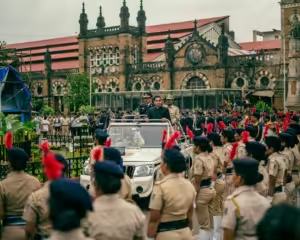
The custom of raising the national flag on Independence Day is significant. In his speech, the Prime Minister emphasizes the position of the nation and wishes the countrymen a happy freedom. Special parades held on this day by the Indian Army and Police also represent the security and harmony of the nation.
Speech Made by the Prime Minister
Every year the speech delivered by the Prime Minister on Independence Day inspires the Indians. In this, he considers social problems, development strategies, and national advancement. This speech gives the citizens a chance to grasp their responsibilities to the nation.
significance of the national flag
The Indian National Flag stands for the combined might and unity of the nation. Given this, every Indian feels honored by his nation. Understanding and honoring the colors of the flag and their symbolic meaning falls to us.
Events in colleges and schools
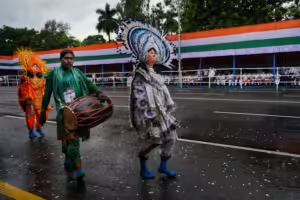
On Independence Day, schools and universities set up special events. Using patriotic songs, dances, and dramas, students show the value of freedom. This is a significant event for the young people so they may appreciate their freedom and come to see its relevance.
Independence Day programs specifically
Special events planned on 15 August day hold a particular place for the national anthem and patriotic songs. People who listen to these tunes get united and dedicated. This day also consists of cultural presentations reflecting the variety and beauty of Indian civilization.
patriotic tunes and national anthem
15 August day festivities include the singing of the national hymn “Jana Gana Mana” and other patriotic songs. These tunes inspire Indians’ solidarity and patriotism. Every Indian should be proud to listen and sing them.
Cultural Exchanges
Independence Day is used for several cultural presentations. These highlight the variety of Indian civilization by including dance, theater, and music. These speeches help the people to understand the value of liberty and unity.
relevance of Independence Day
15 August day is a sign of integrity and solidarity as much as a historical day. This day reminds us of the cost associated with freedom and the need to savor it.
Symbol of Integrity and Unity
We all ought to keep the integrity and unity spirit on 15 august day. This day reminds us that we live in the same country regardless of our varied religions, castes, and traditions.
preserving the sense of liberty
Independence Day’s significance transcends one day of celebration to include other aspects. Every day we should possess the spirit of freedom and develop its principles in our lives. It motivates us to represent our nation and improve it even more.
Forecast of Independence Day
15 August day appears to be bright going forward, but we also have a lot of work ahead. We should treasure our independence and lead the next generations on the appropriate path.
Values and Obstacles of Freedom
Though they teach us a lot, the values of freedom often present difficulties. Time alters bring fresh issues and challenges. We should be ready and attentive to meet these difficulties.
Message for the next generations
15 August 1947 day should be used as a teaching tool for the next generations on the value of freedom and our responsibilities towards it. We have to help them on the correct path so that they also value this freedom and apply it sensibly.
Conclusion
Part of Indian history is heavily influenced by Independence Day. This day makes us appreciate liberty more and makes us proud of our nation. Celebrating this day is a commitment as much as a celebration, which motivates us to serve our nation and help its growth.


FAQ’s
Why is Independence Day observed?
Celebrated on August 15, Independence Day marks India’s 1947 moment of freedom from the British Empire.
15 August day, what are the particular activities?
15 August day consists of cultural presentations, flag raising, and the Prime Minister’s speech.
Which prominent Independence Day symbol represents this?
The main symbol of Independence Day, the Indian national flag stands for the integrity and unity of the nation.
15 August day, what festivities take place in colleges and universities?
15 August day, schools and universities plan dances, music, and plays illustrating the value of freedom.
What message ought to be sent on Independence Day?
Remembering the value of togetherness, honesty, and patriotism on 15 August days will help us to explain to the next generations also.
Pingback: Stone Age India: Insights into the 1st Technological Revolution in Human History - CDLU Education
Pingback: Effects of Environmental Pollution on Human Health - CDLU Education