
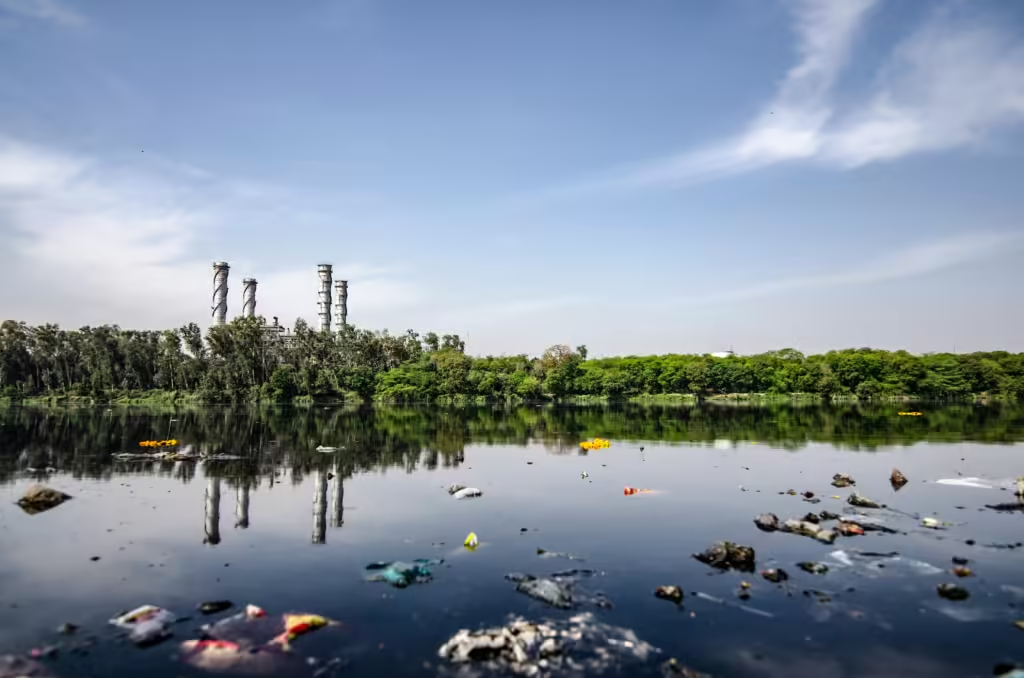
Water Pollution: An Increasing Global Problem
Water pollution ranks among the most pressing environmental issues of our day. It affects ecosystems, the human population, and the economy as well as every inch of the earth. But why should we pay attention and precisely what is the pollution of water? Let us now dig in.
Defining water pollution:
Water pollution is the condition of dangerous substance contamination of water bodies including rivers, lakes, oceans, and groundwater. These poisons could be anything from biological waste and more to chemicals and polymers. Water is stated to be contaminated basically when any chemical compromises it such that it is harmful to human usage or the surroundings.
Why is it a worldwide issue of water pollution?
Pollution of water is not limited to one nation or place. It influences people all around and cuts across boundaries. Urbanization, industrialization, and population growth have all driven demand for water to explode while pollution levels have surged. Clean water is thus among the most valuable and threatened resources available today.
Types of Water Pollution
A multifarious issue, water contamination shows itself based on the source and location in different ways.
Surface Pollution of Water
Surface water contamination impacts streams, lakes, and rivers among other water bodies. Contamination results from pollutants from industrial activity, agricultural runoff, and even home garbage accumulating in these places.
Groundwater Pollution
Stored under the surface of the Earth, groundwater is likewise vulnerable to contamination. Leachates from landfills, agricultural chemicals, and even home garbage can trickle down the ground and contaminate subterranean water supplies.
Maritime and Ocean Pollution
Pollution is drowning our seas. Toxic chemicals, oil spills, and tons of plastic garbage wind up in the oceans and affect coastal ecosystems as well as marine life and human populations dependent on seafood.
Sources of Water Pollution
Different human operations lead to water contamination. The following are some main players:
Industrial Waste
Significant causes of water pollution are industrial plants and waste facilities. They directly pour toxins including heavy metals, poisonous chemicals, and untreated garbage into lakes and rivers.
Runoff From Agriculture
Through the use of fertilizers, pesticides, and animal manure, agricultural methods help to contaminate water supplies. Running off into adjacent water supplies, these pollutants can contaminate them.
domestic garbage
Even regular household chores help to poll the water.
plastic waste
Plastic garbage is one of the biggest perpetrators of water pollution. From massive garbage to microplastics, plastic waste can take hundreds of years to break down and simultaneously harm ecosystems and marine life.
Chemical Agents of Contamination
Often ending up in rivers, household items such as medications, cleaning agents, and deterges contribute to the rising problem of chemical contamination.
Effects of Water Pollution
Water pollution affects natural ecosystems as well as human populations, so it has broad effects.
Effect on Human Health
One major worldwide cause of the disease is contaminated water. Consuming or coming into touch with contaminated water directly causes diseases including typhoid, dysentery, and cholera.
Ecosystem Destruction
Water pollution causes aquatic ecosystems to deteriorate, therefore affecting the life of the species dependent on them.
Damage To Aquatic Life
Many marine life, including birds, turtles, and fish, consume toxins like plastic in mistake for food. Often this results in mortality, malnutrition, or harm.
Loss of Biodiversity
The delicate equilibrium of ecosystems is upset when water becomes contaminated. Dependent on clean water plants and animals could perish, therefore reducing biodiversity.

Water Pollution in Emerging Nations
In poor nations, where infrastructure and means of control for water pollution are sometimes insufficient, it is a big problem.
Insufficient Infrastructure
Many underdeveloped countries lack appropriate waste and sewage infrastructures. This aggravates the issue since untreated garbage sometimes finds its way into nearby water supplies.
Poverty and Water Pollution
Water pollution is mostly caused by poverty since underdeveloped areas may depend on tainted water for cooking, cleaning, and drinking since their access to pure water sources is lacking.
Strategies to Stopped Water Contamination
Fortunately, various rules and projects exist to fight water contamination.
Government policies
Stricter environmental rules imposed by many jurisdictions restrict the amount of pollutants businesses can release into water supplies.
Neighborhood Projects
By planning clean-up events, teaching proper garbage disposal, and supporting legislative changes, communities are rising to address water contamination.
Strategic Waste Management
Communities can assist in lowering water pollution at the source by encouraging recycling, composting, and sensible disposal of hazardous waste.
Water Solutions for Treatment
More often utilized technologies to treat contaminated water and ensure it is suitable for consumption are water filtration and purification systems.
The Part People Play in Reducing Water Pollution
Everybody can help to lower water pollution in some small way. Governments and businesses alone cannot handle this.
Cutting Plastic Consumption
Reducing plastic use and selecting reusable goods will assist in lowering plastic pollution in our rivers and oceans.
Responsible Disposal of Waste
Proper disposal of household garbage—especially dangerous products including batteries, chemicals, and oils—can assist in preventing pollution from getting into water systems.
Finally
Water contamination is one urgent worldwide problem influencing humans and the earth. From plastic pollution to industrial waste, every one of us has a part to play in solving this issue. Still, we can significantly help to clean our water supplies and preserve our ecosystem for the next generations using combined efforts by governments, people, and businesses.


FAQ
From which most typically occurring source of water contamination does one find?
Especially in oceans, plastic contamination is one of the most regularly occurring and relentless types of water pollution.
How might contamination of water affect marine life?
Among the harmful substances marine life consumes that could cause damage, disease, or death include plastic and chemicals.
In what ways might I contribute to reducing water pollution?
Helping clean water initiatives, properly disposing of garbage, and cutting plastic consumption would help to reduce water pollution.
In what ways could polluted water be cleaned?
Techniques of filtration, purification, and chemical treatment can be applied to treat contaminated water to remove harmful materials.
Does water pollution exist more badly in various areas of the world?
Indeed, developing countries and coastal areas particularly vulnerable to water pollution are a result of low infrastructure and high degrees of industrial waste.