
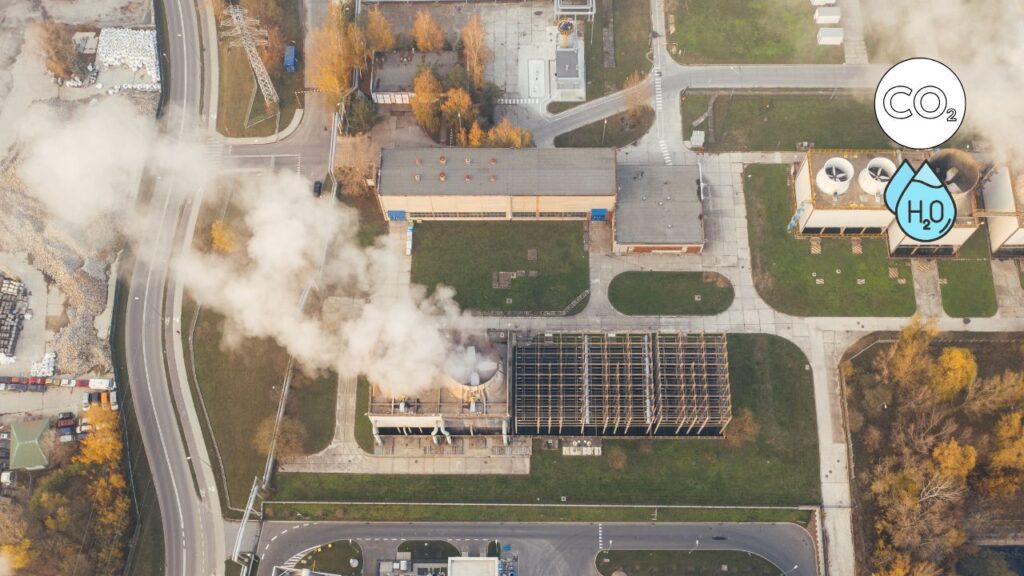
The issue of changing climate is what defines the epoch we are living in, and most of us desire to contribute. In a bit, I will demonstrate to you through practical and simple steps that can be applied on a daily basis how to cut your own carbon footprint to help you reduce it. Regardless of whether you are a student, parent, or a professional, such measures will enable you to reduce emissions, save money, live a more sustainable life.
What is a carbon footprint?
A carbon footprint is an indicator of the emission of green house gasses which are mainly carbon dioxide due to our activities. We first need to consider the leading sources by knowing which are the primary sources of carbon footprint: home energy consumption, transportation and food and consumption decisions before knowing how to reduce them. There are commonly acknowledged things called official guides and calculators that present emissions as summarized into these types and that helps with the planning of reductions.
Quick wins: nine actions to start today
You don’t need to overhaul your life overnight. Here are nine immediate things you can do right now to how to reduce carbon footprint (start small, scale up):
Switch to LED bulbs and smart lighting.
Air-dry clothes when possible.
Unplug chargers and devices when not in use.
Reduce meat and dairy in your meals.
Walk, cycle, or use public transport for short trips.
Fix leaks and insulate your home.
Recycle and start composting organic waste.
Buy second-hand items when possible.
Use a reusable water bottle and shopping bag.
Energy at home: big impact, simple changes
Among the most accessible spheres is home energy. There are before and after steps to learn so that you can reduce your carbon footprint in the house beginning with efficiency, LED lighting, use of energy efficient appliances, and drifting draft sealing can lessen the heating/cooling requirements. Whenever possible, pick renewable power, lots of utility companies are providing green power programs. The maximum would be to invest in insulating home, high-efficiency HVAC service, and think about the roofline-mounted solar where it is economical to do. Energy efficiency and the interest in renewable use are high-impact approaches both the EPA and the UN discuss.
Low-cost and no-cost home steps to reduce carbon footprint
Lower thermostat by 1–2°C in winter, raise it slightly in summer and use fans.
Swap to LEDs.
Use cold-water wash cycles and full loads.
Unplug chargers and use power strips to stop standby draw.
Air-dry laundry when possible.
Investment steps that pay off
Add insulation and seal windows/doors.
Replace old boilers with heat pumps or high-efficiency heaters.
Install rooftop solar or join a community solar program to reduce carbon footprint long-term.
Transport and travel: smarter alternatives to travel.
One of the leading contributors of personal emission is transportation. In order to stabilize or cut down carbon footprint on travelling: Use preference in walking, biking, carpooling, and buying transportation. In the cases of driving it is important to keep in good condition your car – check your car tire pressure and have your car periodically serviced to achieve maximum fuel economy. Where the replacement is long term, look at a fuel efficient or an electric car. It has been found that the frequency of changing travel demands and the preventive use of transport options with low carbon results in great improvements.
Specific commuting ideas
Use transit, bicycle, or walking instead of just one automobile trip a week.
Check off on grocery trips.
Use telecommuting opportunities whenever you can.
AR But replace cars: vehicle electrification.
Nutrition and food: high leverage decisions.
What we eat matters. Some of these measures include increasing consumption of plant-based foods, reducing intake of ruminant foods such as beef and lamb, and decreasing food waste to lower consumption of food with high carbon footprint. Research indicates that dietary shifts can result in individual emission reductions in great amounts compared to most other modifications in life style. It is also beneficial to eat in a season and reduce highly processed and air-freighted products to a minimum.
Practical diet swaps
Meatless Mondays or a meal of meat a day should be substituted by legumes and grains.
Limit dairy or use alternatives of non-dairy products for some days of a week.
You can plan so as not to waste food.
Eating and purchasing: spend less, higher quality.
By reducing the consumption, the amount of emissions would be reduced during manufacturing and shipping. To minimize carbon footprint in shopping: purchase high-quality goods, purchase second-hand, use little content packaging, and choose brands with a clear sustainability strategy. Repair and Repurposing reduces the emission schedules of products and enhances the product life.
Waste and circular habits
Reduce, reuse, recycle is not the panacea but helps out. To manage the carbon footprint using waste management: compostus, do not use single-use plastics, and recycle properly. Composting also reduces the production of methane gases in landfills and diesel optimization of food scraps to be useful soil in the gardens.
Exercise your footprint and create some goals.
You will not be able to control what you fail to measure. Calculate your footprint using reliable default calculators on the areas of home energy, travel, and consumption, then make achievable goals on the reduction. The EPA and WWF calculators are worth beginning with, to determine how much impact you currently have. Track progress each year and change as you get to know.
Behavior change: well entrenched.
Life is composed of little things, but habits are important. To be able to make reductions permanent and sustainable enough to lower carbon footprint:
Begin with one habit (e.g. meat-free Mondays or a driver-free day).
Make the use of reminders or apps or call friends to hold you accountable.
Associate actions with savings (cut down bills will be good incentives).
To maintain the momentum, apps and community challenges would be helpful. The latest news about the subject of climate apps implies that they will raise awareness and can encourage long-term behavior change despite seemingly insignificant immediate savings.
Money, policy: work your power.
Single actions should be considered, but it is multiplied when a system is changed. To manage carbon footprint outside your home:
Elect leaders who have good policies towards climate.
Encourage carbon-cutting chain supply businesses.
Spread clean energy and improved transportation in your neighborhood.
The renewable, energy efficiency, and low-carbon transport policies will lower the scale of emissions.
Also Read: Why are Renewable Resources Better Than Nonrenewable
Practical checklist: a one-month plan
Week 1 — Audit & Quick Wins
Run a carbon calculator to get a baseline.
Swap incandescent bulbs for LEDs.
Unplug unused devices and run laundry on cold.
Week 2 — Transportation swaps
Plan routes to combine errands; try public transit one day.
Check bike routes and try cycling short trips.
Week 3 — Food & waste
Try meatless meals three days this week.
Start composting or find a local compost pick-up.
Week 4 — Deeper steps
Compare green electricity plans or rooftop solar options.
Schedule home energy audit or insulation checks.
Long-term investments with big returns
Provided you can make an investment, the results would include long-term emission cuts and in many cases, they would pay off in the long run:
Insulation of homes and effective cooling/ heating.
high efficiency water heaters or heat pumps.
Renewable projects at the roof tops (Solar) or within the community.
Purchasing an electric car when it fits you.
All these will contribute to the minimization of carbon footprint that will be realized over decades, not months.
Common myths and honest trade-offs
Myth: Small actions don’t matter. Reality: Collective small actions drive demand shifts and social norms that push companies and policymakers to act, which further reduces carbon footprint.
Myth: Eating local always beats plant-based. Reality: Diet composition (less meat) often has a larger effect than distance food travels. Focus on high-impact changes.
Collaboration with other people: homes, educational and workplaces.
To magnify, ask friends, family, and workmates. Offer some easy solutions: replace work-lighting with LEDs, telecommute, or order vegetarian meals at parties. Schools and businesses can introduce group actions that are more significant than personal ones and contribute to decreasing carbon footprints on the community scale.
Measuring success: the expectation.
Concrete goals of individuals are realistic (between 10 and 40 percent) based on the initial point of reducing and the number of high-impact interventions taken (diet, transport, home energy). Measurably decrease energy bills, miles travelled, and food waste to observe tangible changes in one year. Changes in the the institution, such as community solar or better bus service, can bring these reductions even higher.
Resources and tools
EPA Carbon Footprint Calculator and guides.
UN ActNow tips and actions.
Our World in Data — food and emissions analysis.
WWF and local NGOs for practical living tips.
Further exploration: Domestic energy (in depth).
You have to work in layers when you are thinking about what you can do at home to lower your carbon footprint: easy behavior changes, some simple changes that cost little money, and more complex changes that require the investment of money. Simple strategies such as step-immediate behavior such as reducing thermostat setpoints, for example by washing clothes in cold water and switching off standby power can help in reducing carbon footprint.
Outlets can be powered by timers, smart thermostats, and LED lighting, which are also less expensive upgrades that decrease the amount of carbon footprint. The good insulation, heat pumps and solar panels, are long-lasting capital investments, which have carbon footprint reduction and tend to be the ones paid back in lower bills.
Case study: a conventional family.
Suppose a family is with electricity used at home and makes a journey of 12,000 km annually. That household can limit carbon footprint by implementing measures to reduce the amount of carbon such as using energy-efficient appliances, decreasing the amount of meat consumed, and using the less fuel to commute, so two or more trips to the store can result in lower emissions. Small changes that people make regularly such as eating out in a less wasteful manner and bicycling short distances have a significant impact, as well, on decreasing carbon footprint.
Transport: principles and practical swaps.
In case you are trying the carbon footprint calculations that involves calculation of how to cut down on carbon footprint by turning to a weekly car commuting to school, then you can use a basic calculation: Thom Williams normal gasoline, just multiply the normal gallons of gasoline per week by 52 weeks a year.
This single modification will decrease the carbon footprint in one year and multiply with the use of the same in your whole community. Another option that would help limit the carbon footprint would be to work two days every week assuming your work place gives you the chance to telecommute.
Food and diet: real meal substitutes.
It is often about substitutions in terms of learning how to decrease carbon footprint in the meal: replace one beef meal a week with beans, switch to non-dairy and non-milk products for a few days, and think what to do with food waste. Basic meal planning will decreasing carbon footprint and cost his savings.
Smart shopping list: a checklist.
In order to minimize the carbon footprint during shopping, follow the following checklist:
- Ask: Do I need this item?
- Use long-lasting and recyclable products to minimize the amounts of carbon footprints.
- Use less packaging to control the carbon footprint of delivery and getting rid of packaging materials.
- Shop second-hand and carbon footprint is therefore reduced due to less manufacturing.
Social action and social power.
Having a how-to guide on how to engage in reducing carbon footprint at scale implies impacting your neighborhood and local leaders. Arrange a community bulk purchase of solar panels, pressure your mayor to add more bike lanes or establish a sustainability team at work. Such measures curb the carbon footprint among numerous facilities.
Technology and innovation
Technology helps. Carbon footprint reduction is easier with smart thermostats, EVs, heat pumps, and the energy storage systems. Spending tracking and estimation application can indicate where carbon footprint in purchases can be reduced.
Also Read: Environmental Factors Affecting Health | Causes & Solutions
FAQs: common questions
Q:Do the action of one person matter?
A: Yes. Educating people on how to decrease carbon footprint at the personal level contributes to building market demand and social-backing that would pressure companies and policymakers to do so, thus decreasing carbon footprint again at a larger scale.
Q: How fast can I see results?
A: Gambling any saving (such as energy bills) can appear in months; more widespread reduction in emissions can take longer. Constant attempts to decrease carbon footprint add up over periods.
Q: What about flying?
A: Emissions in flying are per ton mile. Less flying, fly when needed, search, and mix trips in order to reduce carbon footprint. In this case, when it is necessary to fly, you should evaluate whether the trip is necessary and look how you are able to minimize the footprint of your trip.
Tools and calculators (use of the tools)
Shake the calculators with online tools so that you can understand where you can trim down carbon footprint in the most effective way. Input home energy, car miles, and food habits to create a snapshot and help to focus actions. Track improvement by having records on an annual basis.
Final checklist (30 actions)
Here are 30 practical actions to reduce carbon footprint that you can pick from today:
Replace bulbs with LEDs to reduce carbon footprint.
Install a smart thermostat to reduce carbon footprint.
Seal drafts and insulate walls to reduce carbon footprint.
Air-dry clothes to reduce carbon footprint.
Use cold water for washing to reduce carbon footprint.
Unplug chargers to reduce carbon footprint.
Compost food scraps to reduce carbon footprint.
Reduce red meat consumption to reduce carbon footprint.
Plan meals to avoid food waste and reduce carbon footprint.
Buy seasonal produce to reduce carbon footprint.
Choose public transit to reduce carbon footprint.
Bike for short trips to reduce carbon footprint.
Carpool to reduce carbon footprint.
Maintain your vehicle to reduce carbon footprint.
Combine errands to reduce carbon footprint.
Choose an EV if it suits you to reduce carbon footprint.
Buy second-hand to reduce carbon footprint.
Repair instead of replace to reduce carbon footprint.
Favor minimal packaging to reduce carbon footprint.
Recycle properly to reduce carbon footprint.
Support renewable energy to reduce carbon footprint.
Switch to a green electricity plan to reduce carbon footprint.
Insulate your hot water tank to reduce carbon footprint.
Swap gas appliances to electric heat pumps to reduce carbon footprint.
Use energy-efficient appliances to reduce carbon footprint.
Reduce air travel to reduce carbon footprint.
Advocate for local climate policies to reduce carbon footprint.
Support sustainable brands to reduce carbon footprint.
Educate friends and family to reduce carbon footprint.
Measure and track progress to reduce carbon footprint.
Wrapping up
Should you remain doubtful as to how to reduce carbon footprint, then decide this month 3 activities on the checklist and implement them to monitor your own activities on electricity and travel changes. Carbon footprint reduction is a process: it is best to start small, remain steady and increase the process over time.
I believe that this guide can give you the steps to do practically, I am Mr. HkGedar, and I have got you on the road to zero-carbon footprint and construct a better future.
Call to action: Explore one such change this week and take measures. Donate the findings to your friends or structures in the comments – little things will be effective when we work as a team.
Shareable social snippets (use one per day)
Quick tip: how to reduce carbon footprint — try it today.
Quick tip: how to reduce carbon footprint — try it today.
Quick tip: how to reduce carbon footprint — try it today.
Quick tip: how to reduce carbon footprint — try it today.
Quick tip: how to reduce carbon footprint — try it today.
Quick tip: how to reduce carbon footprint — try it today.
Quick tip: how to reduce carbon footprint — try it today.
Quick tip: how to reduce carbon footprint — try it today.
Quick tip: how to reduce carbon footprint — try it today.
Quick tip: how to reduce carbon footprint — try it today.
Quick tip: how to reduce carbon footprint — try it today.
Quick tip: how to reduce carbon footprint — try it today.
Quick tip: how to reduce carbon footprint — try it today.
Quick tip: how to reduce carbon footprint — try it today.
Quick tip: how to reduce carbon footprint — try it today.
Quick tip: how to reduce carbon footprint — try it today.
Quick tip: how to reduce carbon footprint — try it today.
Quick tip: how to reduce carbon footprint — try it today.
Quick tip: how to reduce carbon footprint — try it today.
Quick tip: how to reduce carbon footprint — try it today.
Quick tip: how to reduce carbon footprint — try it today.
Quick tip: how to reduce carbon footprint — try it today.
Quick tip: how to reduce carbon footprint — try it today.
Quick tip: how to reduce carbon footprint — try it today.
Quick tip: how to reduce carbon footprint — try it today.
Quick tip: how to reduce carbon footprint — try it today.
Quick tip: how to reduce carbon footprint — try it today.
Quick tip: how to reduce carbon footprint — try it today.
Quick tip: how to reduce carbon footprint — try it today.
Quick tip: how to reduce carbon footprint — try it today.