

Causes & Effects of climate change on the environment
The principal culprits driving the unprecedented acceleration of climatic upheaval are fossil fuels — coal, oil, and natural gas – which collectively account for 75% of greenhouse gas emissions globally, including roughly 90% of all carbon dioxide emissions. These gases form an insulating barrier surrounding the globe, capturing the sun’s heat energy. This trapping of heat sparks a persistent spike in global temperatures, causing the dual crises of global warming and climate disruption. It’s alarming to see that the earth is warming at an unprecedented rate, which is disrupting air patterns and causing disturbances in the natural world. This highlights the urgent need to address the Effects of climate change and its far-reaching impacts.
Causes of Climate Change
Producing energy
A lot of world emissions originate from burning fossil fuels creating heat and power. Burning coal, oil, or gas still provides most of the power since it creates carbon dioxide and nitrous oxide, potent greenhouse gases that coat the earth and trap solar heat. Globally, a touch more than a quarter of electricity comes from wind, solar, and other renewable sources which, unlike fossil fuels, produce little to none of greenhouse gases or pollutants into the air.
Manufacturing goods
Mostly from burning fossil fuels to create energy for making products like cement, iron, steel, electronics, plastics, textiles, and other commodities, manufacturing and industry release pollutants. the construction industry, mining, and other industrial processes also release gases. Manufacturing process machinery could work on coal, oil, or gas; certain goods, like plastics, are made from chemicals sourced from fossil fuels. The manufacturing business is one of the major generators of greenhouse gas emissions globally.
Deforestation involves:
Cutting down forests to establish farms or pastures, or for other purposes, causes emissions, as trees, when they are felled, release the carbon they have been storing. About 12 million hectares of forest are lost per year. Since trees absorb carbon dioxide, destroying them also inhibits nature’s power to keep emissions out of the sky. About 25% of world greenhouse gas emissions come from deforestation as well as from other land use changes like agriculture.
Using transportation
Most autos, trucks, ships, and planes run on fossil fuels. That makes transportation a major source of greenhouse gases, mainly carbon dioxide emissions. Road vehicles account for the highest percentage, due to the burning of petroleum-based commodities, including gasoline, in internal combustion engines. Emissions from ships and planes are undeniably continuing to escalate. Transport provides for around one-quarter of overall energy-related carbon dioxide emissions. And trends suggest a considerable surge in energy consumption for transport over the following years.
Producing food
Producing food causes emissions of carbon dioxide, methane, and other greenhouse gases in various ways, including through deforestation and clearing of land for agriculture and grazing, digestion by cows and The environmental impact of agriculture and livestock is significant, stemming from the production and use of fertilizers and manure for growing crops, as well as the energy consumption associated with running farm equipment and fishing boats, often reliant on fossil fuels. All this makes food production a crucial contribution to climate change. And greenhouse gas emissions also come from packing and distributing food.
Powering buildings
Globally, residential and commercial buildings utilize roughly half of all power. As they continue to depend on coal, oil, and natural gas for heating and cooling, they generate tremendous quantities of greenhouse gas emissions. Growing energy demand for heating and cooling, with rising air-conditioner ownership, as well as increased power usage for lighting, appliances, and connected devices, has contributed to a rise in energy-related”Carbon dioxide emissions from buildings have increased in recent years.”
Consuming too much
Your habitation and utilization of power, how you move around, what you consume, and how much you trash away all contribute to greenhouse gas emissions. So does the consumption of things such as clothes, devices, and plastics. A large percentage of global greenhouse gas emissions are connected to individual houses. Our behaviors have a big effect on our surroundings. The wealthiest have the most responsibility: the richest 1 percent of the world population is collectively accountable for more greenhouse gas emissions than the lowest 50 percent.
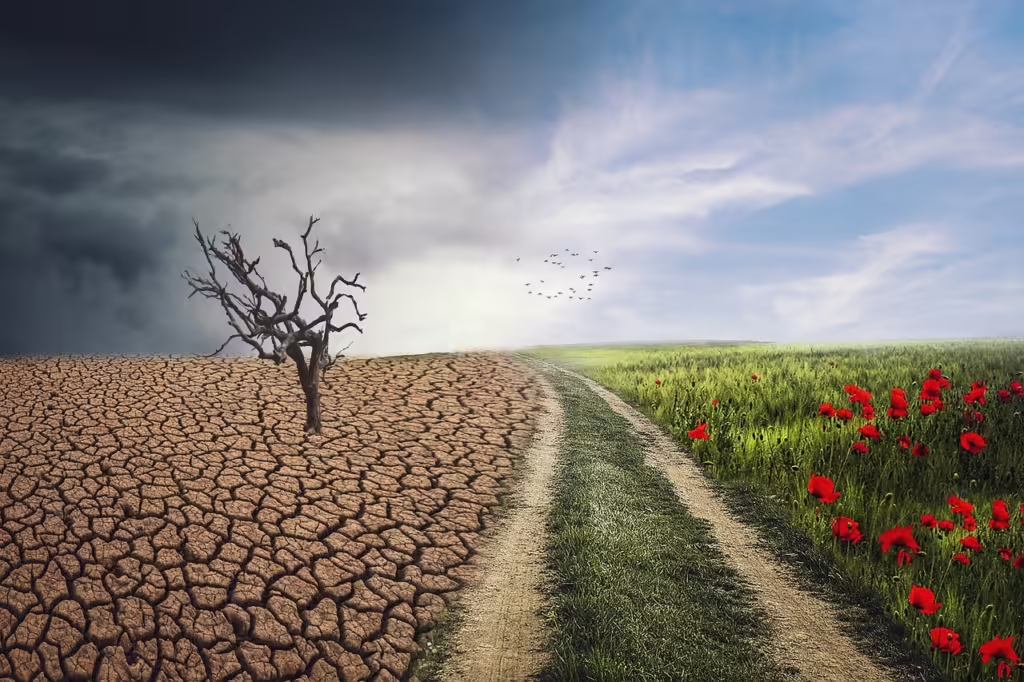
Effects of Climate Change on the Environment
Temperature rise
As amounts of greenhouse gases grow, so does world surface temperature. The previous decade, 2011-2020, has been the hottest on record. Since the 1980s, every decade has experienced higher temperatures than the previous one, stressing the urgency of addressing climate change. Nearly all physical places are seeing higher hot days and heatwaves. Higher temperatures worsen heat-related diseases and make working outside more tough. Wildfires start more frequently and spread more quickly when temperatures are warmer. Temperatures in the Arctic have grown at least twice as quickly as the world average.
Extremely strong storms
Destructive storms have gotten more powerful and more regular in many areas. As temperatures rise, more moisture evaporates, leading to increased heavy rainfall and floods, resulting in more damaging storms. The number and scope of tropical storms are also affected by a warming ocean. Cyclones, storms, and typhoons feed on warm water near the ocean surface. Such storms often demolish houses and towns, causing deaths and huge economic losses & More storms.
Increased drought
The effects of climate change are altering water flow, leading to water shortages in many areas. Global warming is worsening water shortages in already water-stressed locations and increasing the danger of farming droughts destroying crops and increasing the susceptibility of ecosystems. Droughts may also produce disastrous sand and dust storms that can move billions of tons of sand over countries. Deserts are spreading, diminishing land for raising food. Many folks now face the danger of not having adequate water daily.
Warming, increasing seas
Water takes much of the heat produced by global warming. The pace of ocean warming has increased greatly during the past two decades, throughout all depths of the ocean. As the ocean heats, its volume increases, since water expands as it warms. Melting ice caps also raise sea levels, harming coastal and island towns. In addition, the ocean takes carbon dioxide, stopping it from reaching the atmosphere. But rising carbon dioxide levels make water more acidic, hurting marine life and coral reefs.
Species loss
Climate change poses a danger to the survival of species on land and in the seas. These risks grow as temps rise. Climate change is causing the number of species in the world to rise by 1,000 times, a rate never previously witnessed in human history. One million species are at risk of loss during the next several decades. Wildfires, bad weather, and foreign pests and illnesses are among the many threats connected with climate change. Some species will be able to move and live, while others will not.
Not enough food
Changes in the climate and an increase in extreme weather events are contributing to the rise in world hunger and poor nutrition. Fishing, crops, and animals may be killed or become less useful. As the seas become increasingly salty, marine resources that feed billions of people are at risk. Changes in snow and ice cover in different areas in the Arctic have changed food sources from animal husbandry to hunting, and fishing. Warming may limit water and grasslands for grazing, which might lower farming production and risk cattle.
More Health Threats
Climate change is the largest health risk facing humans. Effects of climate change are already influencing health, including air pollution, illness, extreme weather events, forced relocations, pressures on mental health, and greater hunger and bad nutrition in areas where people cannot grow or receive enough food. Each year, nearly 13 million people die from natural causes. Changing weather trends are growing illnesses, and extreme weather events increase mortality and make it tougher for healthcare services to keep up.
Poverty and Displacement
The effects of climate change exacerbate the factors that cause and keep people in poverty. Floods may flood urban slums, destroying homes and businesses. Heat may make it tougher to work in outdoor businesses. Water scarcity can affect agriculture. Over the past decade (2010-2019), an average of 23.1 million people per year were displaced by weather-related disasters, leaving them more vulnerable to poverty. The majority of refugees originate from countries that are the most fragile and susceptible to the impacts of climate change.
Must Visit: Eco Home Styles
Conclusion
Effects of climate change on the environment mostly Causes of Climate Change are mainly related to human activities, including the burning of fossil fuels and deforestation. These actions increase the concentration of greenhouse gases in the atmosphere, leading to global warming. This phenomenon has devastating effects on the environment, such as the intensification of heat waves, the melting of glaciers, the rise in sea levels, the expansion of deserts, and a greater frequency of natural disasters such as forest fires and storms. The natural balance is disturbed, threatening both biodiversity and human life.


