
Best Paramedical Courses after 12th without NEET
You didn’t get 12th and NEET cheated you out — or just you aren’t in the mood to play the NEET rat-race? Panic no more: Start planning. It is a no-nonsense, detailed guide to the practical Paramedical courses after 12 th: what are they, which are worth attending, who is eligible, how long and how much is that course likely to cost, what is the career path and where I am going (a realistic roadmap) to ensure that you pick the best fit.
Simple fact: NEET is required in MBBS/BDS. Virtually everything in the field of allied health, such as lab technology, radiology, physiotherapy, operation theatre, dialysis, optometry, emergency care, and nursing (some streams), and allied diplomas, are typically not NEET-based. The process of admissions is largely based on merit, college entrance examination, or institute level. Do not believe anyone, who tells you NEET divideth all your medical-career future. Look at paramedical routes.
Why choose paramedical courses after 12th without NEET?
Faster entry to job market. Many diplomas are 1–2 years, degrees 3–4 years — you start earning sooner.
High demand across hospitals, labs, diagnostics and clinics. Diagnostics and allied services are growth areas.
Lower competition vs NEET-based seats. You still need to prepare and choose wisely, but the door is wider.
Diverse options. From Medical Lab Technician to BSc Radiology to Operation Theatre — lots of specializations.
Common paramedical courses after 12th without NEET (compact list)
The courses that students are seeking in the umbrella category of Paramedical courses after 12 th without NEET are widely available as listed below. With each course I include a brief practical handout on time, requirements, probable cost and who should attend it.
Diploma in Medical Laboratory Technology (DMLT) -1- 2 years. Eligibility: 10+2 (PCB preferred). Reasonable fees. Best as fast job entry as Lab Technician.
B.Sc Medical Laboratory Technology (BMLT / BSc MLT)– 3 years. Long-term growth is better than a diploma. Practices in hospitals, diagnostic centers.
B.Sc. Radiology and Imaging Technology/ Diploma -1-3 Years. Learn X-ray, CT, MRI basics. Diagnostic centres are characterized by high demand.
BPT / Master of Physiotherapy (others are NEET free) -4.5 years plus internship. Among those students interested in rehab and treatment professions.
BSc Operation Theatre Technology (OTT) / Diploma OTT -2-4 years. Job in OTs with surgeons; quality work.
Associate of Dialysis Technology –1-2 years. Niche, good positions in dialysis units.
Optometry (BSc / Diploma) — 2–3 years. Optical stores, eye-care clinics, community screening.
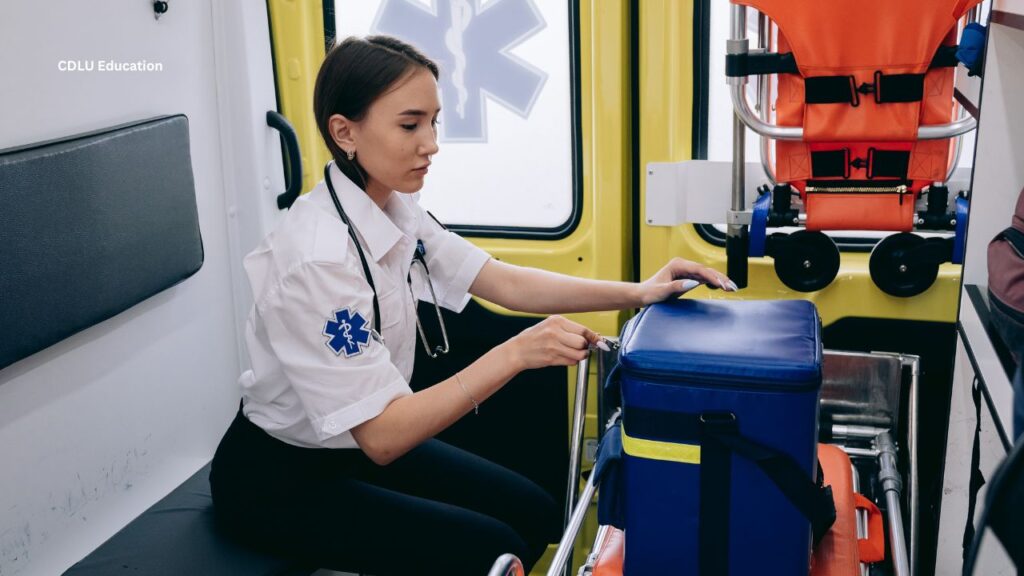
Emergency Medical Technician (EMT) / Paramedic Courses – short courses (6 months-1 year) that are certified. Ambulance, emergency response team work.
Anaesthesia & OT technology (BSc / Diploma) 2 4 Years. Perioperative and assist in anesthesia.
Cardiac Care Technology -1-3 years. Cardiac unit (ECG, monitoring).
BSc Nursing / GNM / ANM – a large number of states have their own nursing entry law; NEET does not represent a requirement with the majority of nursing diploma / courses. Nursing is a steady and respected profession.
Medical Record Technology / Health Information Management- 1-3 years. Expanding as hospitals go paperless.
Pharma Lab or Clinical Research courses- good for an industry or research laboratory job; most courses do not require NEET.
These are representative — names and durations vary by institute. Always check the exact course brochure and recognition/affiliation before paying fees.
Eligibility — simple and realistic
Minimum: 10+2 (Science PCB preferred for most technical streams). Some diploma courses accept any stream; check college rules.
NEET not required for most paramedical diplomas and many degrees; exceptions exist (MBBS, BDS, certain state rules). If a course is allied to a medical degree award by a medical university, verify with the university.
Fees & duration — what to expect
Diploma courses: INR 20,000–1,50,000 total (varies hugely by private vs government).
BSc / Degree courses: INR 30,000–3,00,000 per year (government colleges cheaper; private colleges pricier).
Short certificates (6–12 months): INR 5,000–50,000.
These are broad ranges. Fees change by institute, state regulation and whether the college is private or state-run. Always confirm via official college pages.
Career scope and salary expectations (real talk)
Entry-level: laboratory technicians, radiology technicians, OT assistants, dialysis technicians -standard starting salary INR 12,00035,000/month in most cities; higher in large cities hospitals.
Experience / BSc: INR 30,00060,000 / month, or more on jobs of higher complexity (cardiac techs, sonographers, senior lab technologists).
Private sector and outside the country: Diagnostic chains and gulf hospitals are more profitable- with certifications and experience you can go abroad (local licensing may be required).
Upskilling: Postgraduate efforts, BSc to MSc or transfer to hospital administration, clinical research, teaching or sales (medical equipment/pharma) triples incomes.
How to choose the right paramedical course after 12th without NEET — checklist
Stop picking by hearsay. Use this checklist:
Do you like hands-on work? Paramedical = practical. If you hate needles/equipment, rethink.
Time vs money: Want to start working fast? Choose a 1–2 year diploma. Want long-term growth and research roles? Choose BSc.
Local demand: Check hospitals/diagnostic centers in your city — e.g., radiology & lab techs are always needed.
Recognition: Ensure the college/institute is recognized by state medical/paramedical councils or affiliated to a university. Don’t pay for an unrecognized certificate. (There are legal cases about unrecognized admissions — verify!)
Placement record: Ask for placement stats and sample employer list.
Fees & scholarship: Government seats exist; private seats may have scholarships or bank EMI options.
Licensing & registration: For certain roles, state paramedical councils require registration after course completion. Confirm requirements before enrolling.
Top application routes & where to apply
Government medical colleges’ allied health wings — lower fees, strong training.
State medical/paramedical colleges and universities — check state admission portals.
Private colleges and institutes — faster intake, variable fees; check recognition.
Diagnostic chains & corporate training institutes — some run short certificate programs tied to jobs.
Online portals (official college websites, Shiksha, CollegeDunia, university sites) list courses and admission notifications. Use them to compare, but always verify with the institute.
Short plan — next 30 days if you want paramedical courses after 12th without NEET
Day 1-3: Name 6 courses you can do (choose off the list above).
Day 4-10: Visit 10 colleges (govt and privately) -check on recognition, fees, duration, admission dates.
Day 11-20: Interview top 3 colleges (or call) -inquire about curriculum, labs, faculty, placement.
Day 21-25: Organise the documents (10 th /12 th mark sheets, DOB, transfer certificate, ID).
Day 26-30: Apply to 2-3 institutions – focus on 1 degree, 1 diploma as an insurance.
Everyone does not have time to wait and take NEET re-attempts to get a career. Post 12 th paramedical courses without NEET allow you to gain consistent practice which you can later transfer to further studies.
Also Read: Last-Minute Revision Tips for Board Exams | Score High Fast
Frequently asked questions (FAQs)
Q — Is NEET required for all paramedical courses?
A — No. Most paramedical diplomas and many degrees do not require NEET. MBBS/BDS do. Always confirm the specific program.
Q — Which paramedical course gives fastest job?
A — Short diplomas like DMLT, OT Technician, X-ray/Imaging Technician or EMT courses can place you in 6 months–2 years.
Q — Are paramedical jobs safe during economic downturns?
A — Healthcare is relatively stable; diagnostics and essential services remain in demand. Nursing and lab tech roles are particularly resilient.
Q — Can I study abroad later after paramedical courses?
A — Yes, with recognized BSc degrees and additional certification/licensing you can pursue jobs or higher studies abroad. Requirements vary by country.
Mistakes students make (and how to avoid them)
Choosing based on hearsay. Don’t. Visit labs; ask for hands-on demo.
Ignoring recognition. An unrecognized certificate is money down the drain. Check council/university approval.
Only thinking immediate salary. Skill-up: diplomas + certifications = better pay.
Skipping soft skills. Communication, record-keeping and computer skills matter in hospitals.
Final words
If you want a stable, respected, practical healthcare career without NEET stress, Paramedical courses after 12th without NEET are real, useful and under-promoted options. Don’t settle for anything that smells like a quick certificate with zero accreditation. Choose a recognized program, get hands-on practice, and treat the first 2–3 years as skill-building. That’s how you convert a diploma into a career — not by dreaming of shortcuts.